Friday, 28 March 2014

The Paintings Have Started

I made two canvases of the same size in preparation for painting in week 3 but along with my research I have decided to get something down on the canvases just to give me a feel of what colours I might use and basically just so I'm not starting from nothing next week.
I basically painted the canvases in as quick a time as possible with whatever felt right and tried to just lose all concious decisions, this way of working actually inspired by the Buddhist books I was reading at the beginning where they talked about losing a sense of self when one is meditating and its the same with this technique of painting.
Displaying 2014-03-26 11.28.59.jpgDisplaying 2014-03-26 13.42.31.jpg
I am quite happy with the look of them so far but this is one of many layers that are going to be built up over the next couple of weeks and I wouldnt be surprised if they looked completely different but it is important that there are layers underneath to add an overall richness to the paintings.
They seemed to naturally slip into a day/night,  light/dark kind of partnership which should look really nice when put next to each other in the show. Still a lot of work to go but its definitely off to a good start.

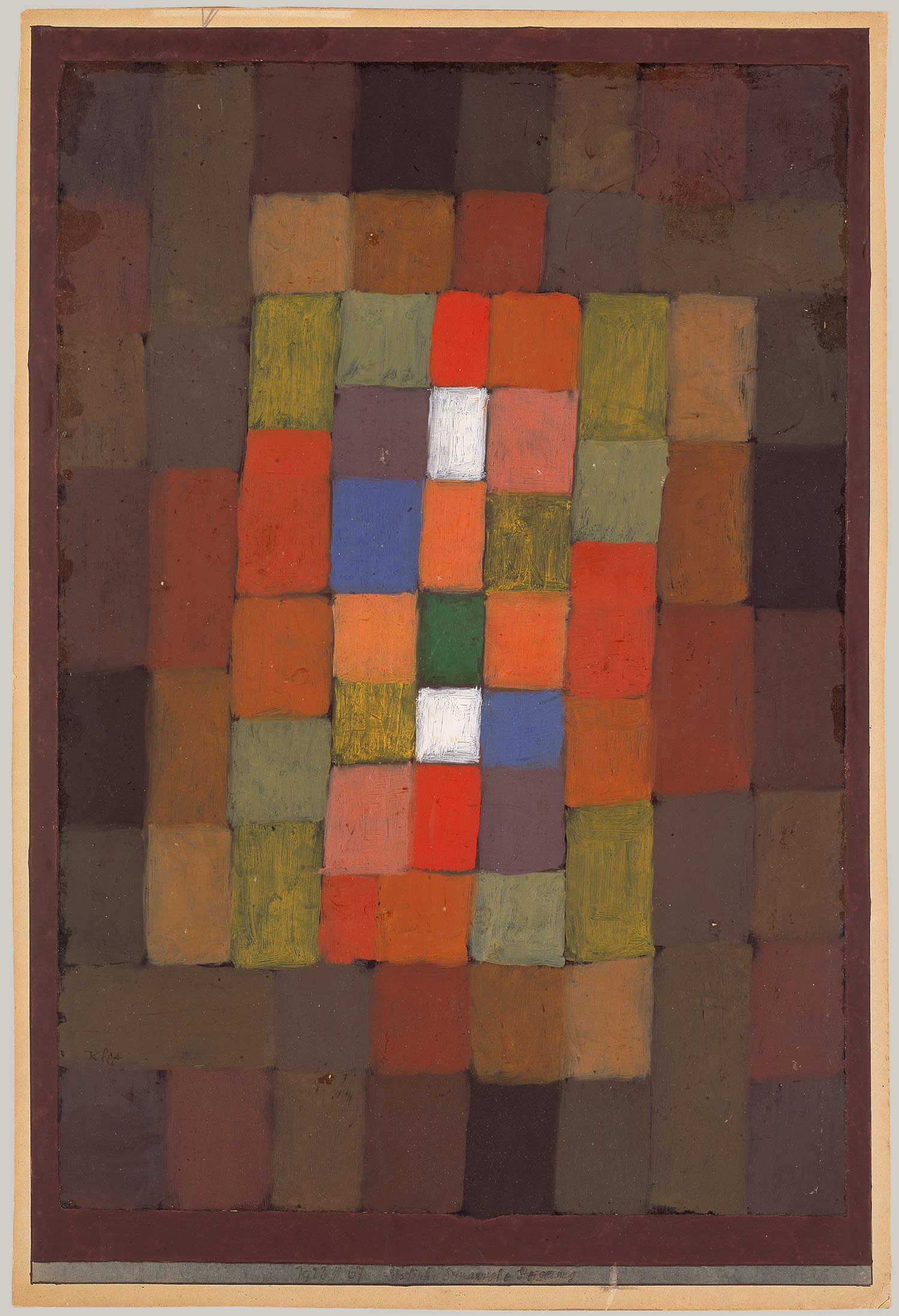
Paul Klee

A friend suggested that I looked up Paul Klee's work and I'm very glad he did. The thing I like most about Klee's work is the evident use of layers and layers of paint built up to create a unique aesthetic to them, the colours in the finished pieces could not be replicated without the previous layers and that is something I have been trying to do with my work for a while. I also see similarities in his work to the work that I hope to achieve in my final piece(s), I want to continue with the same abstract, pattern based designs but I want them to have a more free-flowing feel to them, no strict rules.

Amy Sillman

This is one of my favourite contemporary artists that I have looked at, I especially love her use of colour and the isolated bits of pattern in her paintings. They all seem to be very free and flowing which is  refreshing after looking at so much minimal, geometric contemporary art.
The blocks of isolated patterns that I mentioned are never forced and she doesn't seem to be strict with herself, she just paints these little blocks that end up forming very beautiful patterns but that is just one part of a much larger piece and I really want to do that with my work, have little sections and make each section as interesting as the next to form an overall flowing piece.

Amy Sillman, Birdwatcher

Joanne Greenbaum

Joanne Greenbaum is another artist that is still very active and her work stood out to me because a lot of the contemporary work I was looking at was broadly geometric and minimalist but Greenbaum's work is a lot more expressionistic which is something that inspires me a lot more than strict geometric art, I prefer a little room for expression in there.
The thing I would say I like most about her work is how you navigate through it with your eyes, she seems to paint pathways that the viewer can walk through in their imagination and by doing this I think it offers a very immersive experience and each painting seems to be a different world with its own set of rules and I love that.


Ruth Root

For my research I felt that I should definitely include some contemporary artists and after just a quick scan through a couple of books I found some very interesting artists that are producing new, exciting work.
Ruth Root works on a fairly large scale and her work mostly consists of geometric patterns that are intelligently and elegantly put together. When I saw the work it reminded me a bit of an exhibition we had at the York College gallery by the artist Jamie Scott who also used rather simple geometric designs although I would say that I prefer Root's use of colour and just general design.
I can tell that she has picked each colour with great care which I think is great and something I have been trying to do with my work and gradually I think I have got better at it. There is a precision to the work that might not work for me just yet but I do like the attention to detail.

Monday, 24 March 2014

Richard Rousette-Dart

When I first saw Rousette-Dart's work I didn't think I would like it because the results I initially saw were very busy paintings and although I do appreciate them they just weren't for me. However as I looked further into his work I saw some paintings that definitely appeal to me.
They are very ambiguous paintings so I don't know what he was trying to portray in them but for me I could see a different characters amongst the mess of bust strokes and patterns and I love that about his work, you slowly forget what you initially saw and your imagination takes over and I would love to try and do the same in my paintings.

Helen Frankenthaler

Frankenthaler was recommended through Google because of the other artists I had been looking at and her work definitely has a quality about it that I really like. Although personally I would like to use a thicker application of paint as opposed to her kind of thin wash look I do think that all of her work has a feel to it that I can't quite put my finger on.
It all seems to be very flowing and ethereal  and she just seems to have very calming feel to everything she does and I like that a lot. I love her use of colour, it is confidently applied but seems to have a gentleness. Her work is more minimal than what I would like to do but I can definitely take some inspiration from it.


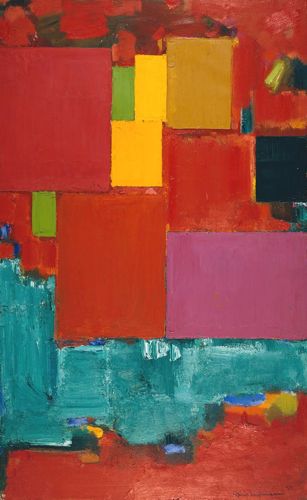
Hans Hoffman


I stumbled across Hans Hoffman's work this morning and was pretty surprised by the similarities in his work and what I want to do. I love the clean shapes amongst the madness of expressionistic brushstrokes. Over the past few days I've been thinking about how I can express the contradiction between my liking for both city and country environments and the  thought process that goes with it. One of the ideas I came up with was to have sharp, clean shapes amongst some kind of free, flowing backdrop.
I really like his thick application of paint and his appearingly care-free attitude when it comes to making the backdrop behind the shapes. Hoffman's work has really inspired me and I think he will be quite a big inspiration when it comes to making my painting(s)


Saturday, 22 March 2014

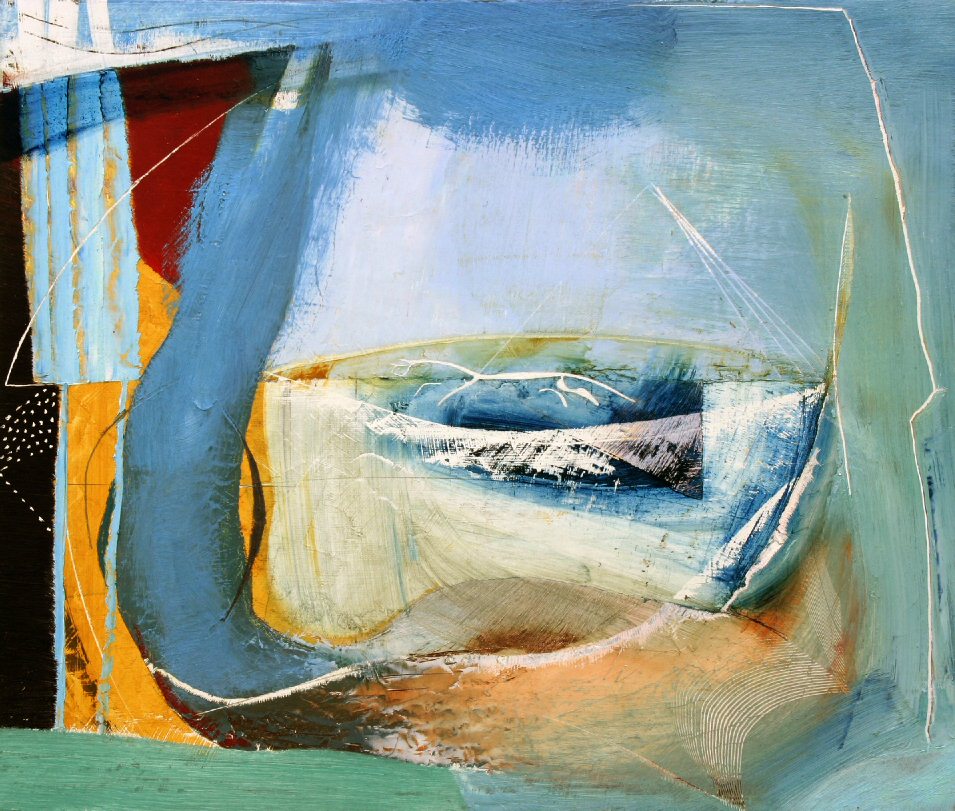
Peter Lanyon

I found out about Peter Lanyon because he was a related search when I was looking for a similar British artist and I like his work quite a bit. He seems to use very calm colours and compositions. His use of very expressionistic brush strokes is something I admire because my work has been very controlled so far and it seems liberating to make the marks that Lanyon does so it is something I may experiment with in coming weeks.
I especially like the image on the right, it has a sparseness to it that is interrupted with really nice reds and yellows. I generally just like the flowing composition, it gives it a tranquillity that I would like to capture with my work.

Friday, 21 March 2014

Woody Allen: A Documentary

Woody Allen: A Documentary (2012) Poster
I watched this two part documentary on Woody Allen last and I found it very inspiring in many ways. Firstly, it shows how Allen works, basically he makes a film a year and as soon as he's finished filming one film he starts writing the next, basically he is very prolific and a general workaholic, whether thats to take his mind of his clearly miserable view on life who knows but regardless I still found it compelling to watch a man dedicate himself to his work so much.
He also references something he jokes as being called  the quantity theory which basically means he works and works and hopes to achieve something good along the way even if some things are bad and although I don't think it would help me working in the extreme way he does but I think I need to employ a similar drive and a quicker pace with my work.
The biggest thing I took from the documentary though was how Allen looks at life and some of the similarities in the way I think. Allen's view on life is basically that everything is pointless which is a common theme in a lot of his films. Like in Annie Hall for example:
And this is a thought that I know I've thought about a great deal and I'm sure most other people have but much like Allen I have tried to preoccupy with creative projects in order to keep busy, not as a distraction because I love to do it but more because that's one of the only things I see value in and it would be great to try and portray this in the work but not in a bleak, depressing way but in a more matter of fact kind of way, I don't really know how exactly but it is something I'm going to dwell on.

John Max Nithsdale

John Maxwell Nithsdale is another name I stumbled across when looking in A World of Their Own and judging by the amount of material I can find out about him online (very little) I would guess that he is a relatively unknown artist but his paintings are very typical of the British Naive painters, they seem to depict very English scenes as do many others in the book and the reason I like his work is mainly his use of colour, it is definitely my cup of tea.
I especially love his use of colour in the horse racing scene below. The calm pinks and yellows of the clothes against the soft green just gives the image a very tranquil, warm feeling and perfectly describes a British summers day.

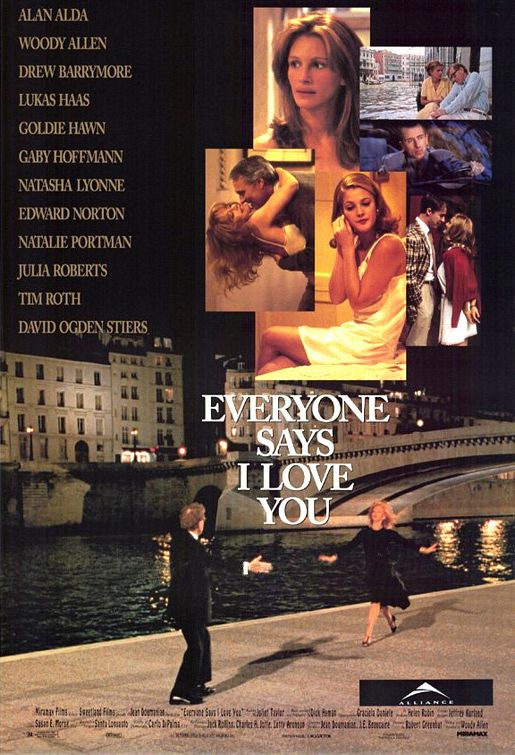
Everyone Says I Love You (1996)

 Everyone Says I Love You is Woody Allen's first and only musical and for me who enjoys a good musical and admires Woody Allen greatly I was in for a treat. The film is set in the modern day but the cast sing standards that were popular many decades ago and what I liked about the musical numbers in particular was that none of the singers were especially good and the staging wasn't really dramatic in any way,which gave the film a kind of messiness that is missing from the classic musicals such as Singin' In The Rain and The Wizard of Oz and although I love the classics it was quite refreshing to see people sing just like normal people as opposed to 'stars'
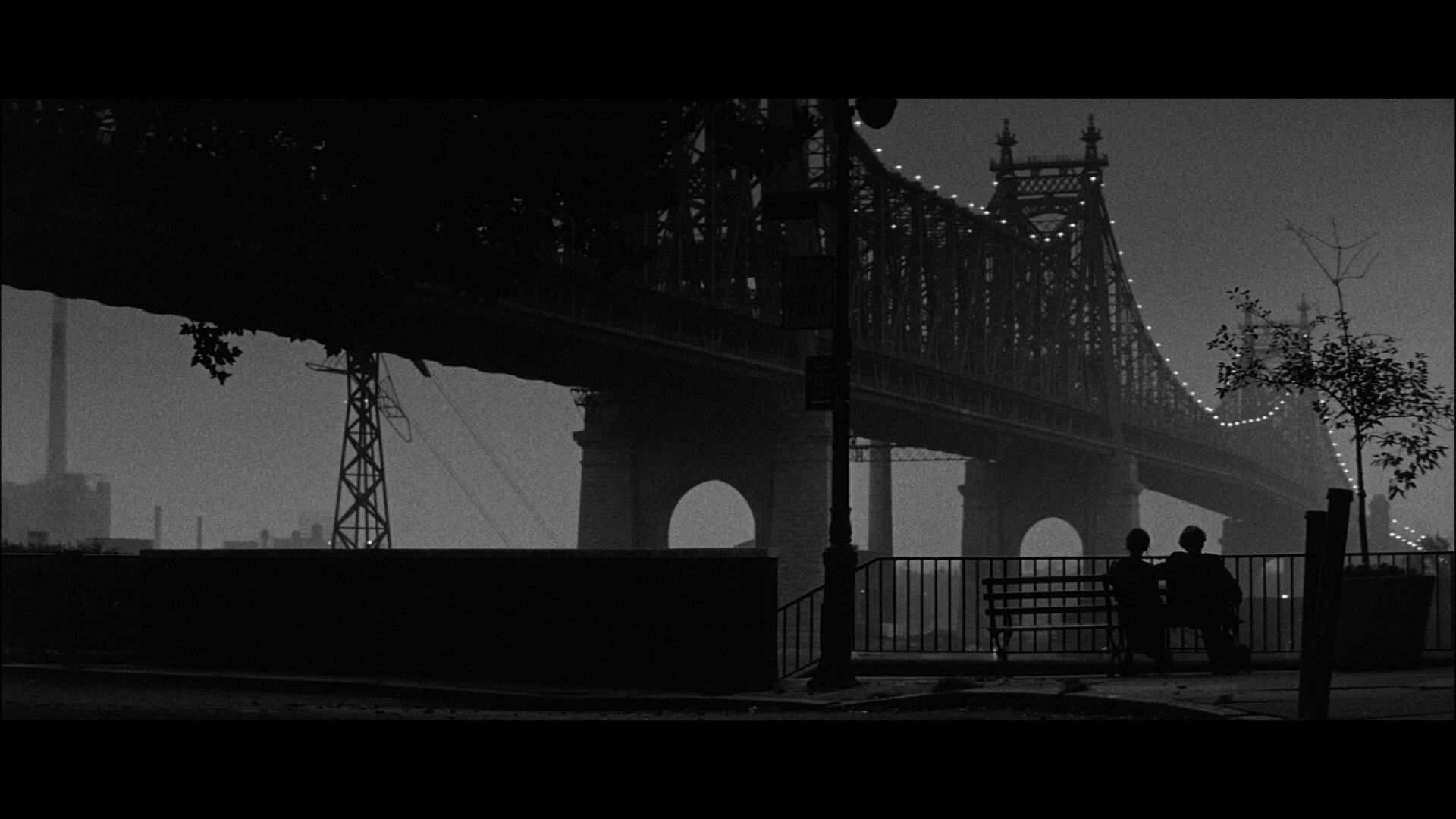
But the thing I liked most about this film is the feeling it gave you once it was over, it just made you feel good even though sometimes the dialogue was a little dark it was always resolved by humour and musical numbers and as Roger Ebert put it;  "Here is a movie that had me with a goofy grin plastered on my face for most of its length. " I think that's a perfect way to put it.
In relation to my art I have said with my more recent paintings that I don't want people to feel down or depressed when looking at them, I want them to be vibrant and be some kind of escapism but that doesn't mean they can't have any depth because like Allen, I want to put meaning in the work that is often dark but have the feel-good colours and shapes to make it easier to digest in a way. 
For example, I want there to be themes of confusion, disorientation and a general feeling of being lost which are all very personal feelings and I do want people to see that in the work but at the same time I want to make an aesthetically pleasing piece. 

Woody Allen (A contradiction)


Over the last few days I've been delving into the life and work of Woody Allen. I have been a fan of Allen's work for some time and seen as though I'm trying to pin down everything that inspires me it would be impossible not to include Woody Allen.
I have realised by watching his films and pinning down the things I like about them that the things I like generally seem to contradict each other a lot and especially in the case of Allen's work and some of the things that I have been talking about in my previous entry's. One one hand I love the nature-filled imagery of Nick Drake and Paul McCartney and the very British paintings of Alfred Wallis but on the other hand I love the idea of bright lights and middle classes of New York shown in the films of Woody Allen.

At first I thought that this might be a problem, I mean I'm talking about Zen Buddhism one minute and then admiring Allen's existential despair the next but I don't think there is any point in hiding this contradiction and confusion instead I think it's better to embrace it and try and incorporate it into my work somehow.


Alfred Wallis

I got a book from the library called 'A World of their Own: Twentieth Century British Naive Painters' which I have found particularly inspiring and I will probably featuring several artists from the book in my research but I'll begin with Alfred Wallis.
Wallis' story was just as interesting as the art itself for me, I love that his instinct was to paint after working on the sea for his entire life and that his paintings reflected that completely. He knew the ships he was painting so well that he didn't have to leave the house and could paint from memory.
I love the child-like nature of the paintings and his disregard for trying to make things look as they would. You can tell by his paintings that he has experienced a life at sea because of the energy and movement in the pieces
You also get a real sense of Britishness to these paintings which I really like, you get a real feeling of the seaside when you look at his pictures. His use of muted colours in the ocean and houses too are really inspiring to me because they are the kind of colours that I predominantly try and use in my work.

Wednesday, 19 March 2014

RAM


I got into the album 'Ram' a while ago but recently the song 'Heart of the Country' has been replaying in my head a lot and I think its probably down to the escapism I get with the Nick Drake lyrics and Buddhist teachings because Paul Mccartney just outwardly expresses how he just want to escape and go live in the countryside somewhere...
"Heart Of The Country
Where The Holy People Grow,
Heart Of The Country,
Smell The Grass In The Meadow.

Want Horse, I Want Sheep,
I Want To Get Me A Good Night's Sleep,
Livin ' In A Home
In The Heart Of The Country."

Again, its the quintessential  English-ness of these lyrics that appeal to me.

Nick Drake


I love Nick Drake's imagery in his lyrics they're very British and feel very organic and earthy to be which I like. There are common references to weather, season and nature generally which gives a the listener detachment to all things mechanical and modern. His words give me a similar feeling as when I'm reading Tolkien and he's describing The Shire.
His words and musical style really inspire me to make something flowing and organic with my work and along with the books on Buddhism (that I have been reading intensely)  I feel that these peaceful, natural feelings I get from them should really be driving my work in that kind of direction.

Monday, 17 March 2014

And so it begins...


Considering this is my first entry I should probably explain how it's going to work. Basically, I just want this to be a scrapbook of thoughts, interests and generally things that are going to inspire me over the next 6 weeks, whether that be a clip from a film, a piece of music, a book or just a quote from something I just want everything in one place.
So to begin, I got two books out of the library today both on Buddhism which has been something I've been interested in reading into for some time but have never gotten round to it but the FMP is a good excuse to because as I mentioned in my statement of intent I want to go out of my comfort zone research wise for this project and look into things that I usually wouldn't and who knows, maybe it will end up inspiring my work in some way.

Buddhism For Dummies, Jonathan Landaw & Stephan Bodian

Wiley Publishing Inc 2003


                                            An Introduction to Zen Buddhism, D.T. Suzuki